

Midterm Madness: High Stakes in the 2026 November Elections
As the United States approaches the November 2026 midterm elections, the political atmosphere is electric with tension. These contests represent the first major national referendum on President Donald Trump’s second term. With Republicans holding razor-thin majorities in both the House (around 220-215 or narrower due to vacancies and retirements) and Senate (53-47), the outcomes could dramatically reshape the final two years of Trump’s presidency—and the trajectory of American policy.
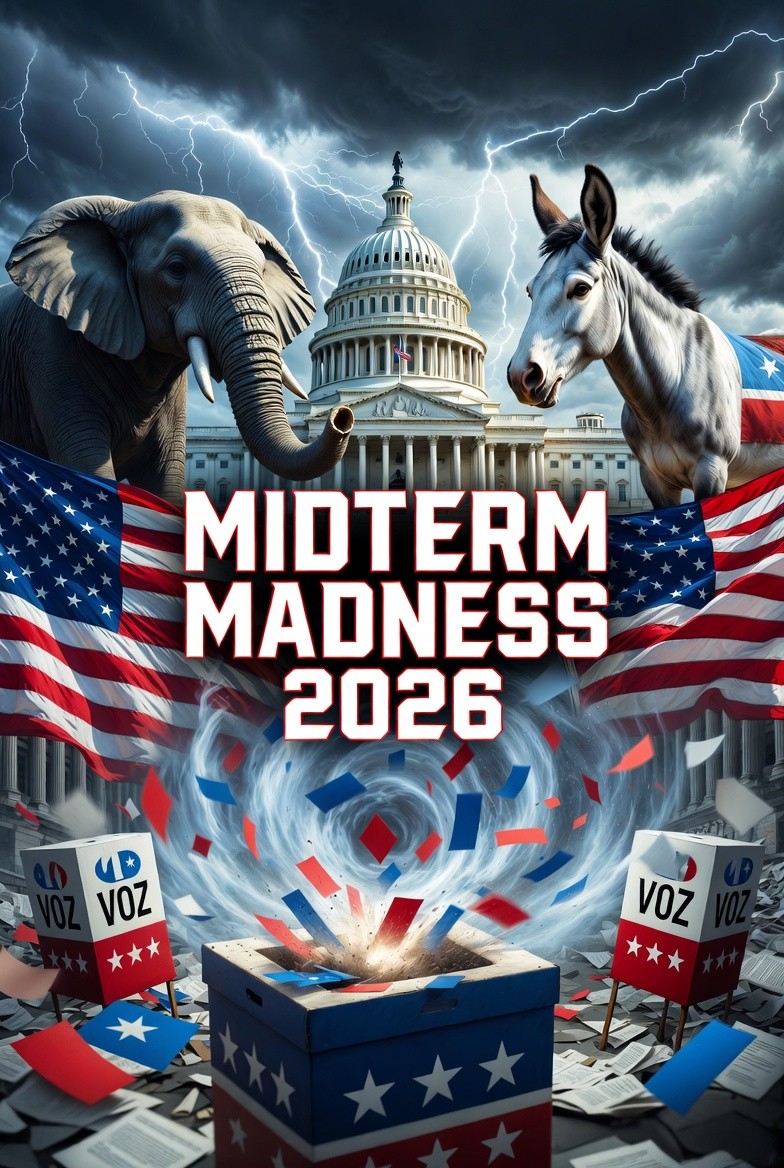
Midterms are historically punishing for the president’s party, and current dynamics—Trump’s approval ratings hovering in the low-to-mid 40s, voter frustration over inflation and affordability, and mixed signals on immigration—tilt toward Democrats gaining ground. Yet the map, redistricting battles, and turnout will decide whether this becomes a wave or a stalemate.
The High Stakes: Why Control of Congress Matters
Unified Republican control has allowed progress on priorities like tax policy adjustments, immigration enforcement, and trade measures via reconciliation. Losing either chamber would impose significant checks:
- A Democratic House majority (Democrats need just a handful of flips) would likely halt much of Trump’s remaining legislative agenda, empower aggressive oversight investigations into the administration (including on trade, immigration tactics, and executive actions), shift subpoena power, and potentially revive impeachment discussions. It would constrain executive moves on tariffs, foreign policy, and domestic spending.
- Senate control is harder for Democrats (they need a net +4), but even narrowing the GOP edge could complicate confirmations and blocking legislation. A full Democratic sweep would create maximum gridlock for the executive branch.
Conversely, Republicans holding or expanding majorities would vindicate Trump’s approach, enabling further pushes on energy, border security, and fiscal priorities with fewer obstacles. Divided government, the most probable outcome according to many analysts (Dem House, GOP Senate), typically leads to negotiation, potential shutdown fights over the debt ceiling, and moderated ambitions on both sides.
The consequences extend beyond Washington: markets watch for volatility from fiscal restraint, tariff escalations, or policy reversals. Geopolitical tensions (e.g., Iran, broader foreign policy) and domestic issues like AI regulation, health care costs, and redistricting battles amplify the pressure.
Comparing Consequences: Republican vs. Democratic Control
Under Continued Republican Majorities (Unified or Near-Unified Government):
- Agenda Advancement: Ability to pursue reconciliation for targeted tax cuts, spending adjustments, energy deregulation, and immigration reforms. Trump could claim a mandate and push bold executive actions with congressional backing.
- Oversight: Limited investigations into the administration; focus on Democratic priorities or "deep state" concerns.
- Policy Impacts: Stronger emphasis on border security and tariffs (despite recent polling dips on delivery), potential progress on deficit reduction rhetoric, and conservative judicial/executive appointments. Risks include overreach alienating moderates if economic pain persists.
- Broader Effects: Vindication for the 2024 coalition, momentum into 2028, but vulnerability to historical backlash if affordability crises worsen.
Under Democratic Gains (Especially House Flip, Possible Senate Shift):
- Gridlock and Checks: Trump’s legislative priorities stall. Democrats would launch probes into tariffs, immigration enforcement (e.g., high-profile incidents), health care, and more. Subpoenas and contempt powers become tools of opposition.
- Policy Shifts: Greater focus on health care affordability (a Democratic strength in polls), potential reversals or blocks on spending cuts, emphasis on oversight of trade wars and foreign engagements. Divided government could force bipartisanship on must-pass items like funding but heighten shutdown risks.
- Electoral and Long-Term: Positions Democrats for 2028, tests their ability to govern as a check, and could reshape party benches. For Republicans, it signals coalition erosion on kitchen-table issues like prices and the economy.
- Risks: Heightened polarization, potential for retaliatory politics, and slower progress on national challenges amid investigations.
Key voter priorities—bringing down prices (top issue), health care affordability, energy costs, immigration, and deficit reduction—will drive swings. Republicans traditionally lead on immigration and security; Democrats on health care. But Trump’s handling of the economy and inflation has seen approval erode, flipping some traditional edges.
Outlook and Uncertainties
Forecasts as of mid-2026 show Democrats as strong favorites for the House (often 80%+ probability in models) and competitive but underdogs in the Senate due to the map. Generic ballot leads for Democrats, historical midterm penalties, and retirements favor them, though Trump’s resilience, turnout among his base, and redistricting complicate predictions.
Turnout will be decisive: Enthusiasm gaps, independent voters frustrated with both parties, and issues like election integrity or cultural flashpoints could defy polls. External shocks—economic data, international events, or scandals—remain wild cards.
The 2026 midterms embody “Midterm Madness”: a high-stakes referendum where narrow margins will determine whether Congress enables, restrains, or deadlocks the executive. Voters face a choice with profound consequences for governance, the economy, borders, and America’s global posture. In a polarized nation, the results may not heal divisions—but they will set the rules of engagement for the next two years. Expect fierce campaigning, record spending, and intense scrutiny as November draws near. The madness is just beginning.
What's Your Reaction?
 Like
0
Like
0
 Dislike
0
Dislike
0
 Love
0
Love
0
 Funny
0
Funny
0
 Wow
0
Wow
0
 Sad
0
Sad
0
 Angry
0
Angry
0
Main Stream Media is a MESS! Press What Matters is of the people, by the people and for the people. The first amendment gives every United States citizen the right to be a journalist as free press and so does Press What Matters! Sign up today and post your own news article, story or video.











Comments (0)